Get in touch

our design process

Design Refinement & Specification Consultation

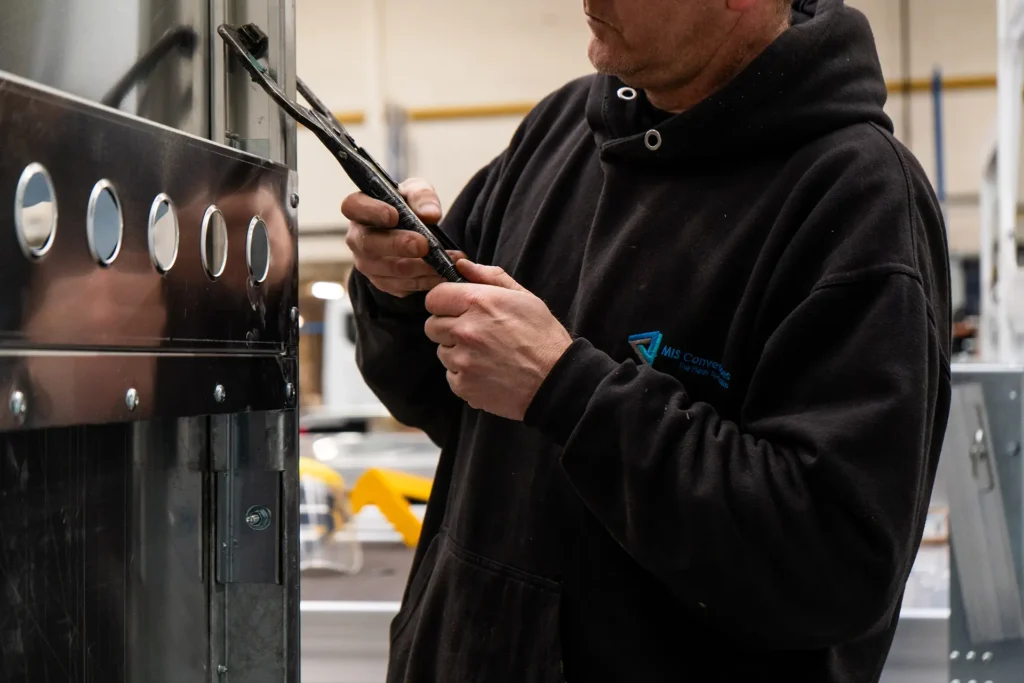
Our design team works with you from the outset to refine your ideas, improve functionality and develop a specification that genuinely supports your operational needs.

Through structured consultation, we help you:

  • Define the right layout and workflow
  • Identify essential and optional features
  • Evaluate usability, access and storage
  • Improve efficiency and safety
  • Consider long-term maintenance and fleet uniformity

This collaborative approach ensures your final design is practical, future-proof and aligned with your wider fleet vehicle conversion goals.
CAD Services for Every Project

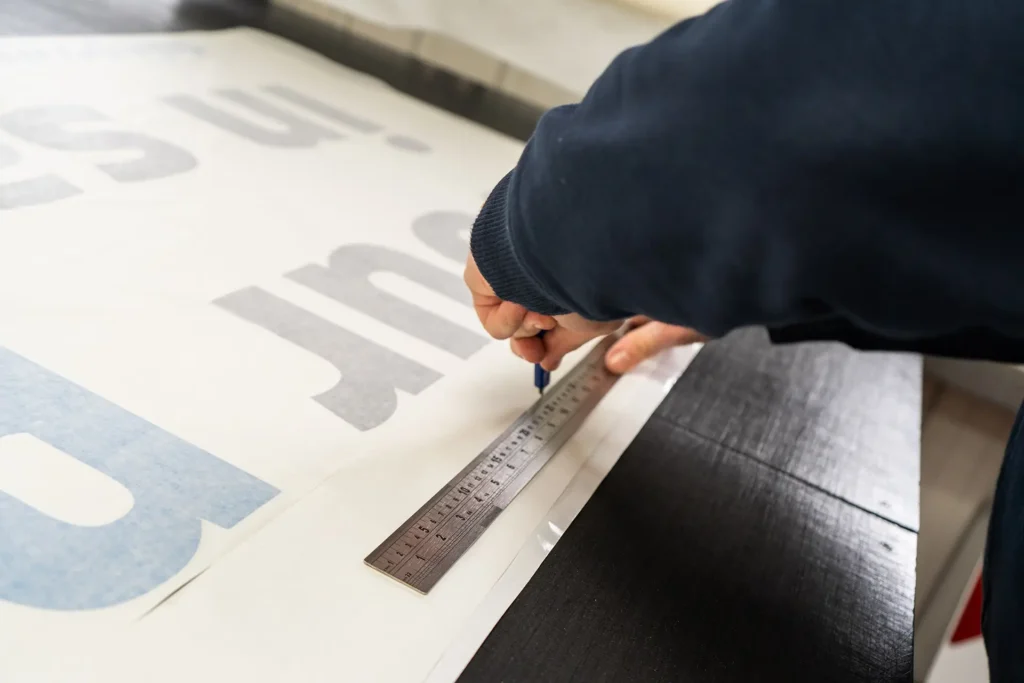
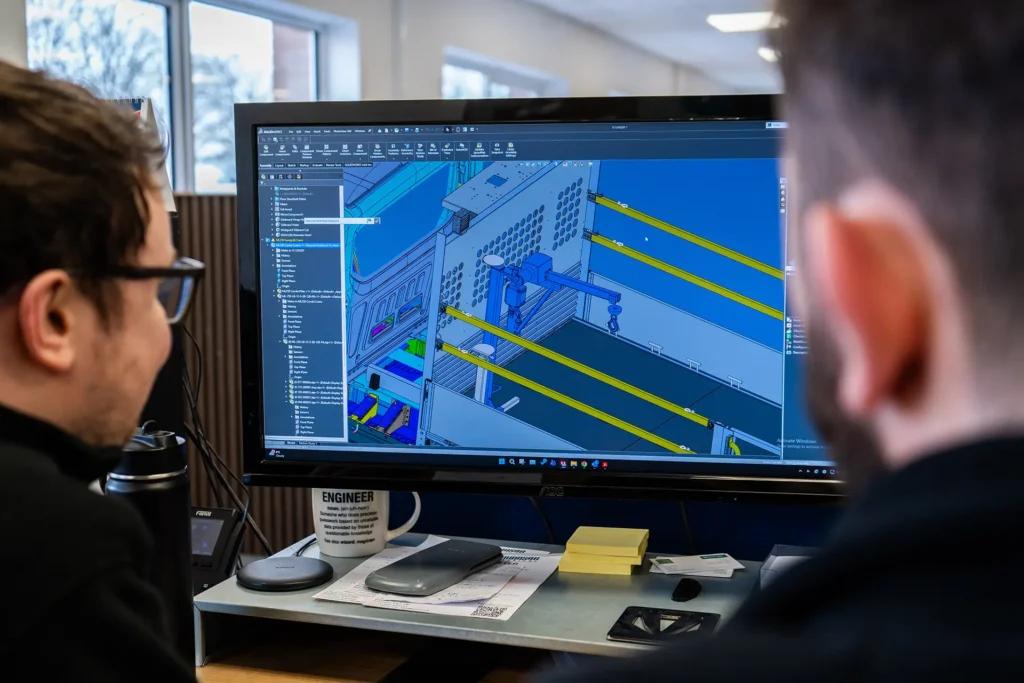
Every specialist vehicle conversion begins with detailed, accurate CAD drawings created in-house.

OUR CAD SPECIALISTS:

  • Produce full technical drawings
  • Map interior layouts, equipment placement and electrical routing
  • Model accessibility and usability
  • Ensure structural and safety considerations are built into the design
  • Provide visuals for internal sign-off and stakeholder approval

These CAD foundations ensure consistency across large fleet builds and remove ambiguity before manufacturing begins.

Bespoke Prototyping From Signed-Off Designs

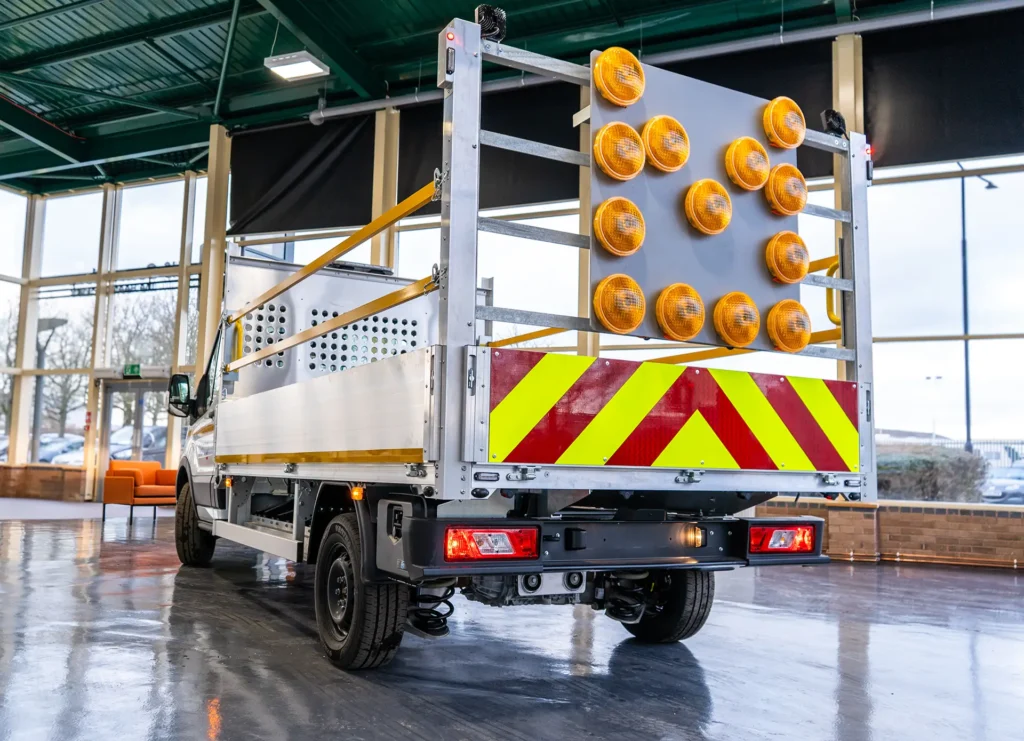
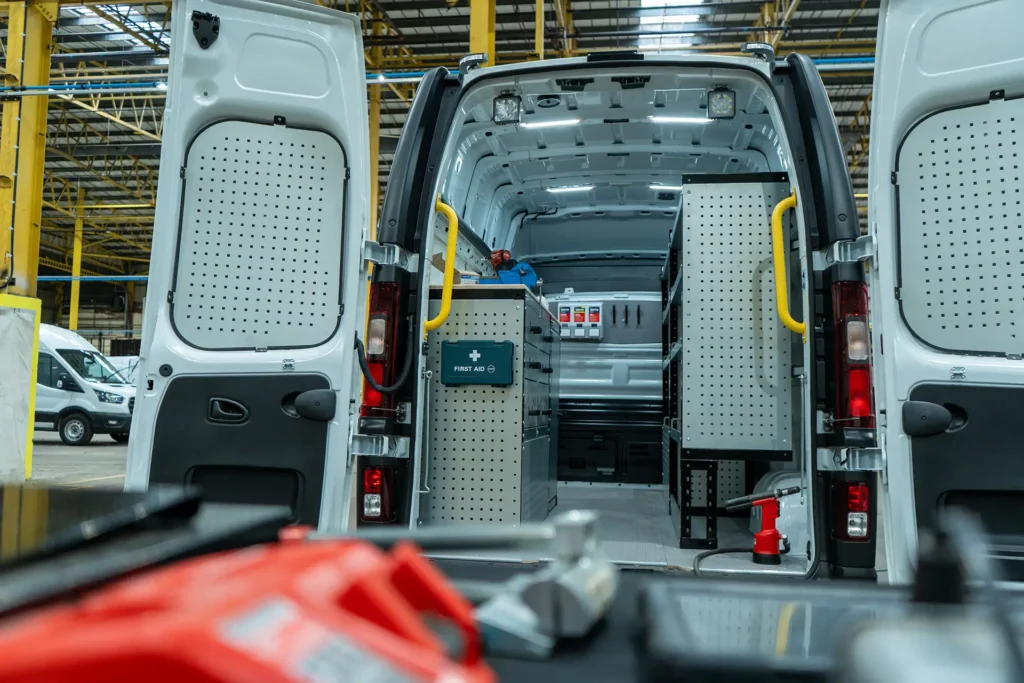
Once the CAD design and specification are approved, we create a fully bespoke prototype that brings the final build to life.

THIS PROTOTYPE ALLOWS YOU TO:

  • Test layout, functionality and ergonomics
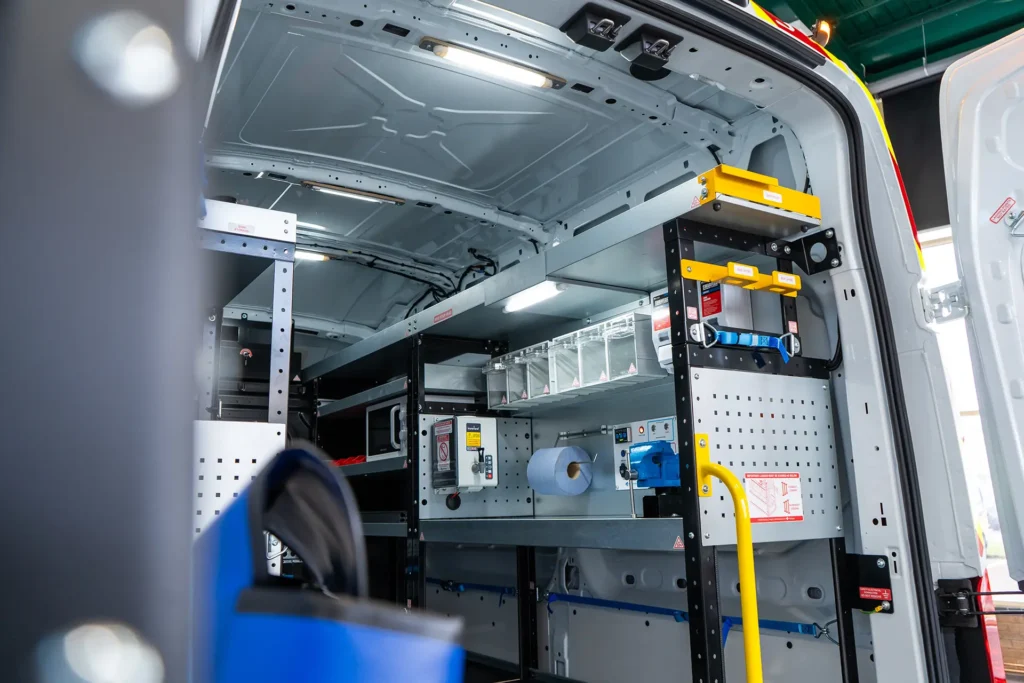
  • Review storage, racking, equipment and safety elements
  • Validate materials, finishes and component placement
  • Identify adjustments before full-scale rollout

Prototyping ensures the finished fleet achieves the exact standard, efficiency and compliance required for operational use.

compliance integration

Early Compliance Checks

Our compliance team is involved at the earliest stage of the design process.

This ensure that:

  • All builds meet necessary regulations
  • Weight, load and safety requirements are planned in
  • Lighting, electrical, racking and equipment standards are addressed before production
  • Chapter 8, LOLER, and other regulations are considered where relevant

By addressing compliance from day one, we eliminate costly redesigns later and guarantee a build that passes inspection without issues.

GET IN TOUCH

Ready to Develop Your Next Fleet Build?

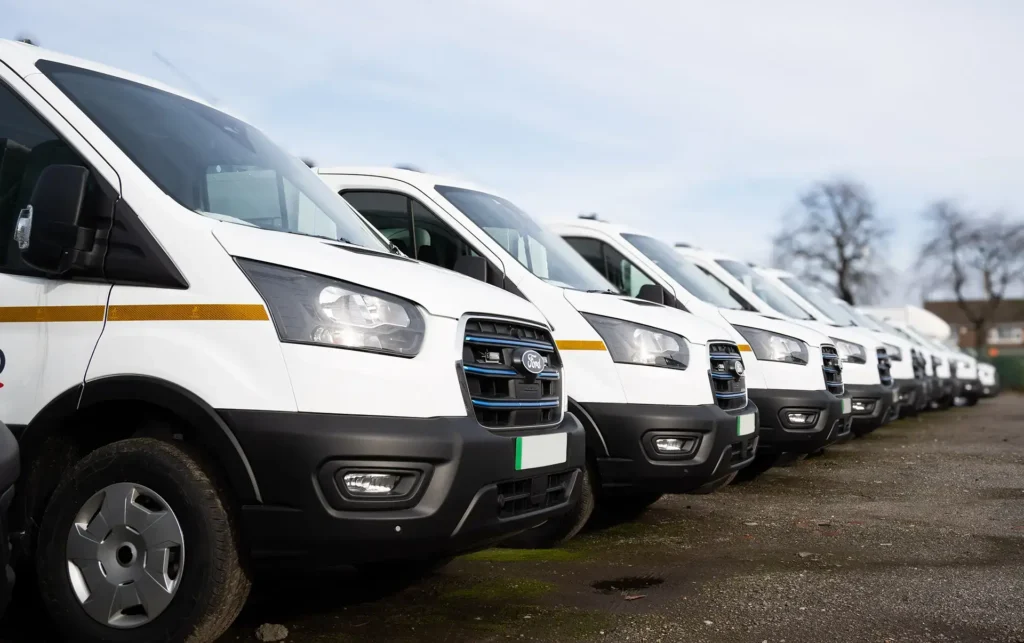
From specification development to CAD, prototyping and compliance, our design process sets the foundation for scalable, repeatable and high-quality full fleet vehicle conversions.

Speak to us about prototype and design services  or take the next step with a complete end-to-end fleet conversion, built entirely in-house.

Knowledgebase

Frequently Asked Questions

Can designs be scaled for full fleet conversions?

Yes, all designs are developed with scalability in mind. The design process creates a foundation for scalable and high-quality fleet conversions, ensuring consistency across full vehicle rollouts.

Do you collaborate with clients during design?

Yes, we work closely with you throughout the design process. From initial concept through to final approval, we collaborate to ensure the solution reflects your operational requirements, workflows, and industry demands.

Can we see a concept before production?

Yes, we provide detailed concepts and prototypes before production begins. This allows you to review, test, and approve the design, ensuring it meets your expectations before moving into manufacturing.

Why is prototyping important in your process?

Prototyping allows designs to be developed and validated before full production. It ensures the final solution is fit for purpose and supports a smooth transition into large-scale fleet vehicle conversions.

How do your services ensure consistency across fleets?

By combining specification development, CAD design, prototyping, and compliance, we create a repeatable process that ensures consistent quality across every vehicle in a fleet.

Why is a prototype important in vehicle conversions?

A prototype is important in a vehicle conversion because it allows the design to be tested and refined before a wider fleet rollout. It helps identify potential issues with the layout, equipment and usability at an early stage, while giving fleet operators the opportunity to provide feedback. This can save time and costs later in the process and ensure the final conversion meets operational requirements.