

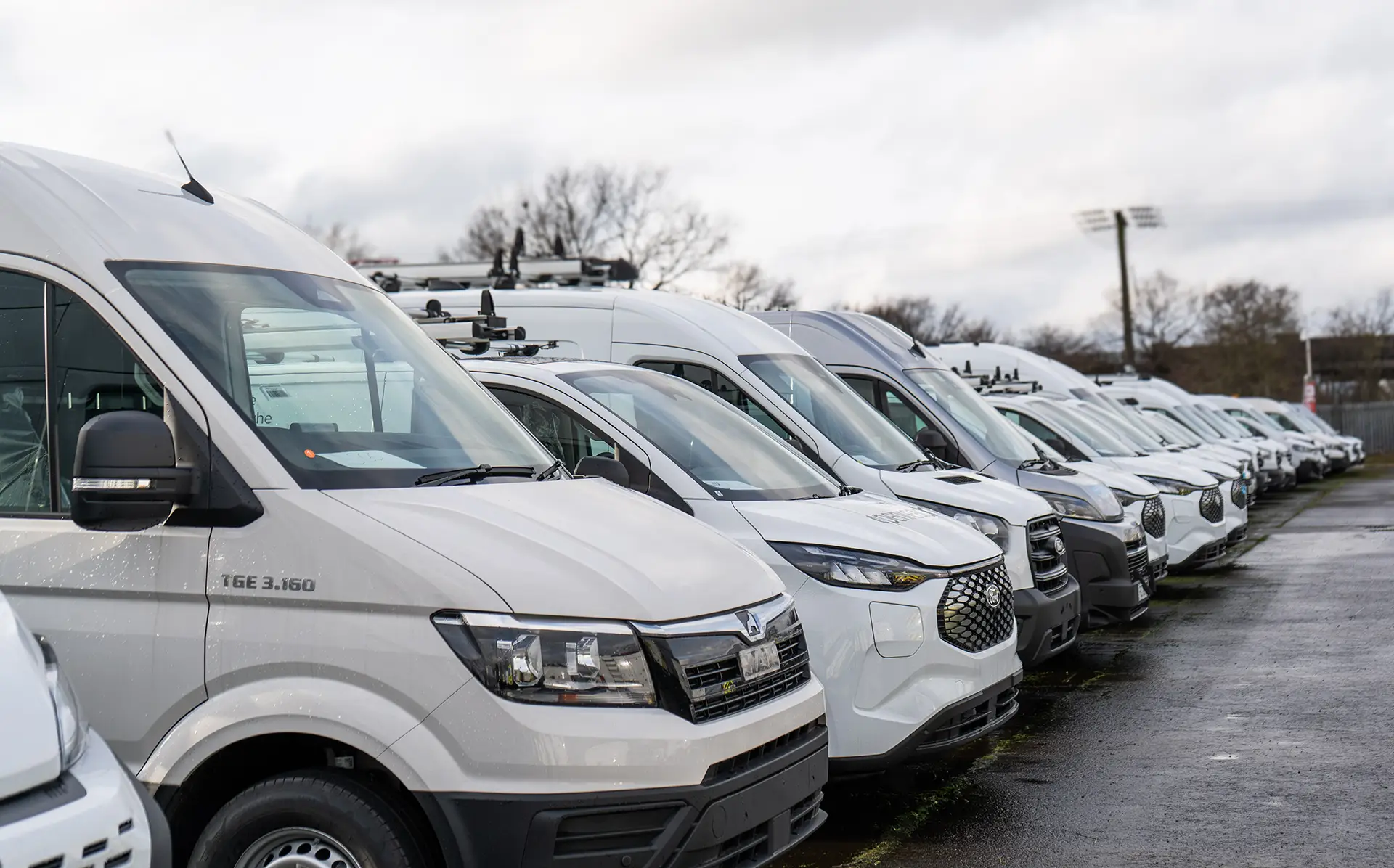
Government legislation and environmental targets have made the transition to electric vehicles an active policy focus. The drive to reduce emissions and improve air quality is reshaping how businesses manage their vehicles.
The UK Government has committed billions toward supporting cleaner transport, making electrification a central pillar of national infrastructure and environmental strategy. For fleet operators, this shift brings both challenges and opportunities, particularly as regulatory timelines tighten and new standards come into practice.
Current UK fleet EV requirements
Fleet electrification in the UK is being guided by a combination of incentives and long-term regulatory pressure. The government’s broader roadmap includes ending the sale of new internal combustion engine (ICE) vehicles by 2030, with phased support structures to help manufacturers and businesses adapt.
This transition is not just about cars, with commercial and public sector fleets expected to play a significant role in reducing transport-related emissions. As a result, businesses are being increasingly encouraged to begin planning their EV transition now, rather than waiting until future compliance pressures arise.
Upcoming legislation and targets
Introduced in April 2026, the Zero Emission Vehicle Mandate is designed to support manufacturers in meeting the UK government’s 2030 ICE sales ban while accelerating the availability and adoption of electric vehicles across business fleets.
The mandate introduces several important changes:
- Hybrid vehicles remain available for sale until 2035
- Greater flexibility within the 2030 targets, allowing manufacturers to align supply with demand
- Extension of existing Workplace and Residential EV chargepoint grants
- Lower Benefit in Kind (BIK) tax and National Insurance costs for electric fleet and company car operators
While the mandate directly applies to manufacturers, its impact extend across the entire supply chain. Fleet operators will feel these changes through vehicle availability, pricing, and the restrictions placed on higher emission vehicles, particularly in Clean Air Zones.
For businesses, this makes early planning essential. The market is already shifting toward electric fleet procurement, and waiting too long could limit both choice and cost efficiency.
Key considerations for fleet electrification
One of the most important considerations in fleet electrification is vehicle weight. Electric vehicles typically weigh more than their ICE counterparts due to battery systems, which can affect payload capacity and operational efficiency.
This is where fleet vehicle conversion plays a critical role.
Effective EV fleet conversion strategies ensure vehicles remain:
- Fit for operational purpose
- Weight efficient and legally compliant
- Durable enough for long-term commercial use
Converting existing ICE vehicles or customising new EV platforms allows businesses to bridge the gap between operational needs and regulatory requirements.
How conversion strategies support fleet electrification
Weight and payload optimisation – Battery systems add significant mass to commercial vehicles, which can impact range and usability. Conversion solutions focus on lightweight materials and smart design to preserve payload capacity while maintaining performance.
Navigating clean air zones – As more cities expand emissions controlled areas, zero emission conversions offer a practical way to avoid daily charges and operational restrictions. This provides a cost-effective alternative to premature fleet replacement while maintaining compliance.
Practical steps businesses can take now
Preparing for electrification does not require a complete fleet overhaul overnight. Instead, a structured approach allows businesses to transition efficiently and cost-effectively.
- Conduct a fleet audit
Start by analysing current vehicle usage. Review mileage patterns, route types, and duty cycles using route planning tools. This helps identify which vehicles are best suited for electrification.
- Plan your electrification transition
Once usage data is clear, businesses can begin mapping out which ICE vehicles can be replaced with EVs.
- Consider electric full fleet vehicle conversions carefully
When moving to electric vehicles, weight distribution and payload requirements become even more important. Racking systems, storage solutions, and internal layouts should be designed specifically with EV limitation and efficiencies in mind.
How can accredited fleet conversion specialists support the transition to EV?
Specialist support can make the transition to electric fleets significantly smoother. At MIS Conversions, we work with businesses to adapt existing operations to meet evolving EV requirements while maintaining productivity and reliability.
Our approach focuses on:
- Adapting vehicle builds to meet new EV specifications
- Supporting compliance with evolving government regulations
- Ensuring alignment with long-term net zero objectives
- Continuously refining materials, layouts, and installation methods to protect operational performance
We also collaborate closely with suppliers to ensure that every conversion delivers consistency, reliability, and long-term value for fleet operators.
If your business is preparing for the shift to electric fleets, now is the time to plan ahead.
Get in touch today to find out how we can support your EV transition and help future-proof your fleet.